
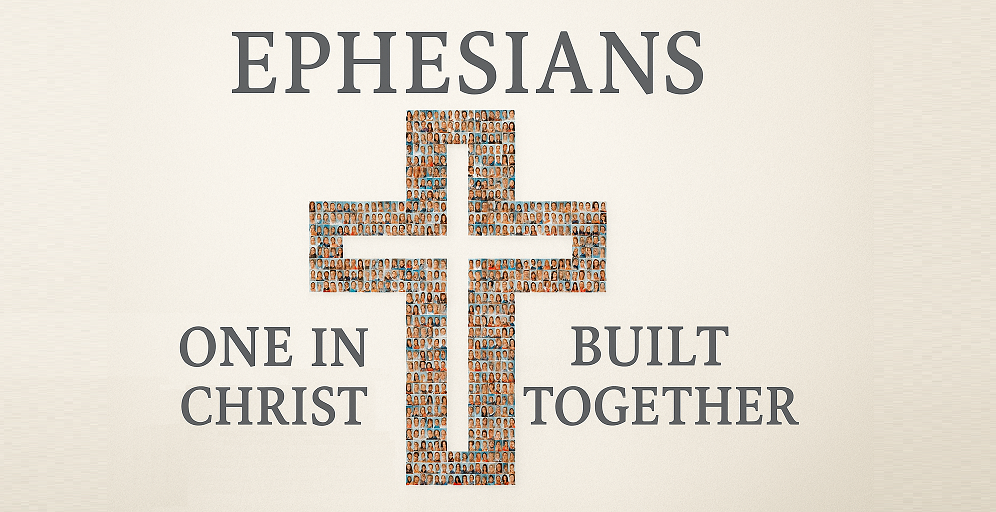
In Ephesians 2:19–22, Paul brings his argument to its conclusion by declaring the new identity of those who are in Christ. Having shown that Christ has reconciled both Jew and Gentile to God and to one another, he now describes the result: believers are no longer strangers and outsiders, but belong fully to God and His people. Paul unfolds this reality through three connected images, each deepening the understanding of what it means to be united in Christ.
First, believers are citizens of God’s kingdom. Once alienated and without belonging, they are now brought into a covenant people, sharing in the blessings, protection, and rule of the true King. This is not merely a change of status, but a new identity that places them among the saints as one people under God. Paul then moves further, showing that believers are not only citizens, but members of God’s household. This speaks of intimacy—being known, adopted as His children, and brought into close fellowship with Him.
Finally, Paul presents the church as a building, a holy temple being constructed in Christ. The foundation has been laid by the apostles and prophets, with Christ Himself as the cornerstone who gives stability and alignment. The whole structure is joined together, growing into a dwelling place for God by the Spirit. This is a living, unified temple, formed as each believer is fitted together in Christ, not standing alone but built into something far greater.
These truths call for a transformed understanding of the church and of one another. We are not isolated individuals, but those who belong to God, to His household, and to His dwelling place. Therefore, we must live in light of this reality, walking as those who are united in Christ and being built together for His glory.